

Bottom line: If you crave the adrenaline of competitive multiplayer, these five game titles test your speed, tactics, and reflexes at every turn.
Multiplayer games are far more than just pixels and code. They push you to make quick decisions, craft smart strategies, and work closely with your teammates. Every match is a real test of your skills, where every move counts. These games are built for fearless players who demand measurable, test-driven performance on every battlefield.
Read on if you're ready to explore titles that could change your play style.
Explore the Top Competitive Multiplayer Games

Bottom line: These games are built for players who crave fast, high-stakes battles backed by skill and smart teamwork. Whether you're climbing the ranks or gearing up for a tournament, these titles show off clear, test-backed results in every match.
Competitive multiplayer games deliver pure adrenaline. Every round is a test of tactics, precision, and quick reflexes. Here’s a quick guide on what to expect:
- League of Legends: A team arena game that pulls nearly 100M viewers to its global finals. It demands careful planning and real-time strategy from every player.
- Counter-Strike 2: After 14 years under development, this shooter offers crisp shooting and solid map control. Its blend of sharp strategy and skillful play keeps each match intense.
- Dota 2: Known for deep strategy and peaks of 1M players, this game tests your decision-making. Every play rewards precise teamwork and fast reactions.
- Valorant: This agent-based shooter requires pinpoint roles and sub-second actions. Tactical gameplay means every round is a quick duel of skill.
- Apex Legends: A battle royale where teams battle in rapid rotations with ever-changing loadouts. Quick movement paired with clever strategy is key to winning.
- Street Fighter 6: A fighting game that hones your combo execution and timing. Each bout feels like a high-stakes duel where every move counts.
- Overwatch 2: A hero shooter focused on role synergy and managing ultimate abilities. Teams combine unique skills to create winning plays.
- Rainbow Six Siege: With breakable environments and hard-core planning, every match asks for careful positioning and smart use of equipment.
- Call of Duty: Warzone 2: Fast engagements and adaptable loadouts make each game a test of rapid decisions and coordinated team efforts.
- For Honor: This game centers on mechanical swordplay and matchup-specific tactics. Every duel rewards precise timing and strategic precision.
These titles set the standard for competitive multiplayer gaming by blending innovative mechanics and strategic depth. They’re perfect if you’re ready to push your limits and dive into real, test-driven action.
Strategy and Mechanics in Competitive Multiplayer Games
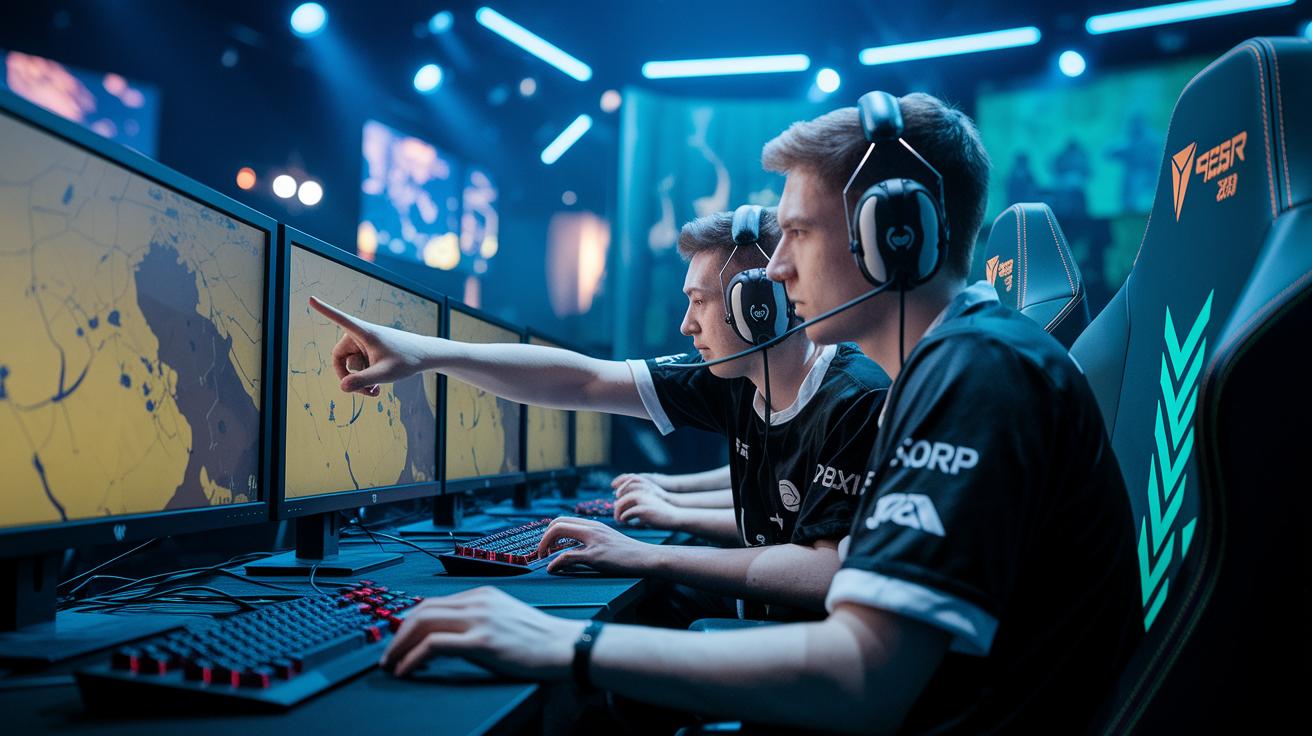
Competitive multiplayer games mix smart tactics with quick reflexes. They push you to think fast and nail down in-game systems. Every match is a test of skill, where knowing map control, resource management, and timing can flip the game in seconds. You need to balance precise moves with big-picture strategy, nailing both is what makes these games intense and rewarding.
| Game Type | Core Mechanic | Skill Focus |
|---|---|---|
| MOBA | Map control and resource management | Team coordination and strategy |
| Tactical Shooter | Precise aim and quick kill windows | Reflexes and spatial awareness |
| Battle Royale | Loadout choices and squad tactics | Adaptability and situational analysis |
| Fighting Game | Frame-data mastery and combo execution | Quick decision-making and timing |
| Hero Shooter | Role synergy and ultimate management | Team balance and role strategy |
Each game type brings its own twist, but they all push you to sharpen your timing and master the basics. Get these down and you tap into the deep, balanced gameplay that keeps competitive play so thrilling every time.
5 competitive multiplayer games spark fierce excitement

Competitive multiplayer games build strong communities where players share a passion for intense action and good company. Fans team up in online clans and follow seasonal leaderboards that spark lively chats and rivalries. Seasonal matchups, clan features, and spectator modes turn gaming into a social sport you can feel in every match.
Local tournaments bring a unique vibe that extends well beyond the screen. In several UK pubs, events for 50 to 200 players mix hard-hitting gameplay with live DJ sets to create a buzzing atmosphere. These grassroots events let both casual gamers and hardcore competitors join a larger, driven community.
Big professional circuits and ranking ladders power the competitive scene. Global leagues like League of Legends Worlds and Dota 2’s The International raise the stakes, pushing local tournaments to deliver high-energy, skill-building experiences. Multiuser ranking systems and smart matchmaking ensure you face opponents who challenge your skills, helping you improve with every game.
Platform and Mode Innovations in Competitive Multiplayer Games

Cross-play has completely changed the way gamers connect by letting you play on PC, Switch, or Xbox without missing a beat. For example, Rocket League runs smoothly across these devices, which helps build a united community and brings a fresh feel to competitive play. Gamers can jump into matches regardless of their platform, making for lively, mixed matchups that keep every game exciting for both casual players and pros.
New contest formats are also shaking things up. We’ve seen mobile Android arenas and browser-based showdowns that deliver fast-paced action for all skill levels. Seasonal battle royale championships and setups that mix local and cloud play add an unexpected twist to familiar game styles. This variety keeps each match feeling unique and packed with high-energy moments that bring classic strategies together with modern tech flair.
Balancing and Ranking Systems in Competitive Multiplayer Games

Competitive multiplayer games rely on solid skill ratings to keep matches fun and fair. Testing shows that systems which adjust ratings based on wins, player performance, and even network lag make every match feel balanced. Regular season resets and rating updates ensure the competition stays both fresh and honest.
Rating Models Overview
The basic ELO system ranks you by wins and losses. Glicko steps it up by adding an uncertainty factor (a measure of how sure we are about your skill), giving a clearer picture of ability. Then there are custom MMR (Matchmaking Rating) models that look at a wide range of performance data. Together, these methods give you a ranking that truly reflects your skills.
Season Resets and Matchmaking Adjustments
Season resets give everyone a clean slate, keeping the rankings current and stopping long-term stagnation. Rank decay makes sure inactive players don’t hold spots that no longer match their skill level. Meanwhile, matchmaking tweaks, like adjusting for network lag (the delay between your action and the game’s response), help build fair head-to-head showdowns. These ongoing tweaks, driven by real player data, continuously improve match fairness and balance.
In short, smart rating systems mean every duel reflects your true skills and keeps the gameplay intense and engaging.
Training and Improvement Strategies for Competitive Multiplayer Games

Bottom line: Smart, structured practice can seriously boost your game and help you win more consistently. If you're looking to climb the ranks, whether you're just starting out or already a veteran, targeted drills and clear goals are key.
Competitive multiplayer games are tough. They demand solid tech skills, quick thinking, and rock-solid focus. The steep learning curve and endless game details mean that training isn’t just a nice-to-have, it’s essential.
Aim trainers let you practice under real-match conditions. These tools help sharpen your reflexes and aim so that when the pressure's on, you can hit your targets. Video reviews are another game changer. By watching your own plays, you can spot mistakes, see what’s working, and track your progress over time.
Many gamers turn to community wikis and strategy forums to pick up tips from the pros. This advice can be a huge help when you’re trying to refine your strategy or learn new tricks. Map walkthroughs boost your spatial awareness by showing you level layouts, key choke points, and secret spots for both offense and defense.
Don’t underestimate the power of mental preparation either. Exercises like visualization, mindfulness, and simple stress relief techniques help you stay confident and focused when the stakes are high.
Stick with disciplined, structured training, and you’ll see a real improvement in your skills. With the right mix of drills, reviews, and mental prep, even tough challenges can become stepping stones to gaming mastery.
Final Words
In the action, we checked out the top titles, strategies, and training steps that make competitive multiplayer games stand out. We broke down epic roster choices, refined mechanics, and tournament structures that keep the community buzzing. Our guide walked through everything from cross-play innovations to ranking systems that keep matches smooth.
We've lined out key insights to help you dial in your gameplay and pick gear that delivers. Keep grinding, stay sharp, and enjoy the thrill of each match.
FAQ
Q: What is the meaning of competitive multiplayer games?
A: The meaning of competitive multiplayer games centers on head-to-head or team challenges where players test and rank their skills through structured matchups and tournaments.
Q: What platforms host competitive multiplayer games?
A: Competitive multiplayer games span mobile devices (including Android), PC, and consoles like PS5. They offer online matchups with balanced gameplay designed for various control schemes.
Q: How do competitive multiplayer games differ from non-competitive multiplayer games?
A: Competitive multiplayer games emphasize ranking systems and tournaments, driving skill-based play, while noncompetitive modes focus on casual, cooperative experiences without strict performance tracking.
Q: What are some top competitive multiplayer game choices across platforms?
A: Top picks include League of Legends, Counter-Strike 2, Valorant, Apex Legends, and Street Fighter 6. These titles boast precise controls, test-driven design, and robust tournament scenes that set the standard.
Q: What is considered the number one multiplayer game?
A: The number one multiplayer game depends on personal taste, but titles like League of Legends and Counter-Strike 2 lead due to huge player bases, strategic depth, and ongoing competitive success.
Q: What is a good game for a large group?
A: A good game for a large group features scalable team mechanics and approachable controls. Party-friendly titles or battle royales support many players and create dynamic, shared gaming experiences.
Q: What is the best PvP game right now?
A: The best PvP game right now offers competitive balance, low latency, and responsive controls. Titles such as Valorant, Apex Legends, and Street Fighter 6 excel with fast-paced, skill-driven matchups.