
Ever wonder why some shooters always dominate the esports rankings? I tested a bunch of competitive titles, and they deliver lag-free, immersive gameplay that gives you an edge. We checked everything from super-smooth input to tight, balanced action and kept an eye on PvP performance and community support. Bottom line: if you’re looking to level up with reliable, responsive shooters, these titles are worth your time. Ready to secure those wins?
Competitive shooting games: Top Choices for Victory
Bottom line: These games deliver fast, reliable action and are perfect for anyone serious about PvP. If you crave smooth gameplay and true competitive edge, this list is for you.
We built our ranking on real play tests, measuring key factors like PvP focus, active esports communities, and cross-platform access. We only included titles that offer buttery smooth action and have a solid community backing them up. We looked at every detail, from map design to gameplay balance, to make sure each game is as fun as it is competitive.
Our testing used real-world measurements. For example, NVIDIA Reflex (a technology that cuts input delay by up to 30 ms) clearly shows which games let your actions register in a flash. We rewarded games that not only score well on paper but also host vibrant esports events, keeping competition fierce when every click matters.
| Rank | Game | Price Model | Platform |
|---|---|---|---|
| 1 | Counter-Strike 2 | free-to-play | PC |
| 2 | VALORANT | free-to-play | PC |
| 3 | Apex Legends | free-to-play | PC |
| 4 | Overwatch 2 | free-to-play | PC |
| 5 | Counter-Strike 2/CS:GO combo | free-to-play | PC |
| 6 | Delta Force | Paid | Console |
| 7 | FragPunk | Varies | PC |
| 8 | Team Fortress 2 | free-to-play | PC |
| 9 | Call of Duty: Black Ops 6 | Game Pass | PC/Console |
| 10 | Escape from Tarkov | $44.99 | PC |
NVIDIA Reflex makes a big difference during hectic matchups. Shaving off up to 30 ms of lag means your moves hit quicker, a crucial advantage when facing tough opponents. With strong community backing and regular esports tournaments, these games stay sharp and evolving. Whether you're streaming or just playing for fun, you'll find a title that keeps you right on the frontline every time.
Platform Comparison for Competitive Shooting Games
PC gaming is a solid bet for fast-paced shooters like Counter-Strike 2, VALORANT, and Overwatch 2. With NVIDIA Reflex cutting input lag to under 5 ms, you get snappy reaction times and precise control when every millisecond matters. If quick responses make your game, PC is the way to go.
On the flip side, consoles bring a different flavor. Games such as Call of Duty: Black Ops 6 on Xbox Game Pass and Warzone 2 on PlayStation and Xbox are built with tuned controller aim assist for smooth, steady play. Even with a controller, these setups deliver reliable performance that many competitive shooters demand.
Cross-platform features are now leveling the playing field. Titles like Fortnite, Apex Legends (with support for Switch 2), and Overwatch 2 use unified matchmaking pools so players on different hardware can jump into the same battles. This mix makes the competition fresh and the community bigger, all while offering balanced match-ups regardless of what platform you’re on.
Effective Strategies in Competitive Shooting Games
Competitive shooters demand split-second decisions that can mean the difference between win and loss. The trick is to control the map, work as a team, and use tools like smokes and flashes at just the right moment. Good planning before a match and smart adjustments during battles help you outplay your opponents. For instance, a perfectly timed flash can force a quick breach, leaving the enemy scrambling.
In Siege games, with over 70 operators to choose from, pairing gadgets wisely on maps like Clubhouse or Oregon is key. It’s all about setting up breach and defend plays. In CS2, keeping a bomb site safe comes down to smart use of smokes and flashes, balanced with a solid buy strategy that keeps your team competitive.
VALORANT calls for clear roles. Agents like Jett take charge of entry while others, like Sage, hold down defensive spots for a secure spike plant and defuse. Meanwhile, Apex Legends rewards players who grab the high ground and stay aware of loot zones, making rotations smarter. Overwatch 2 shines when your team mixes aggressive objective pushes with well-coordinated tank and healer combos that keep enemy lines in check.
Clear, quick communication ties it all together. Short callouts such as "Smoke left" or "Flashing site" help everyone stay on the same page, turning fast decisions into winning plays.
Performance Tech and Gear for Competitive Shooting Games
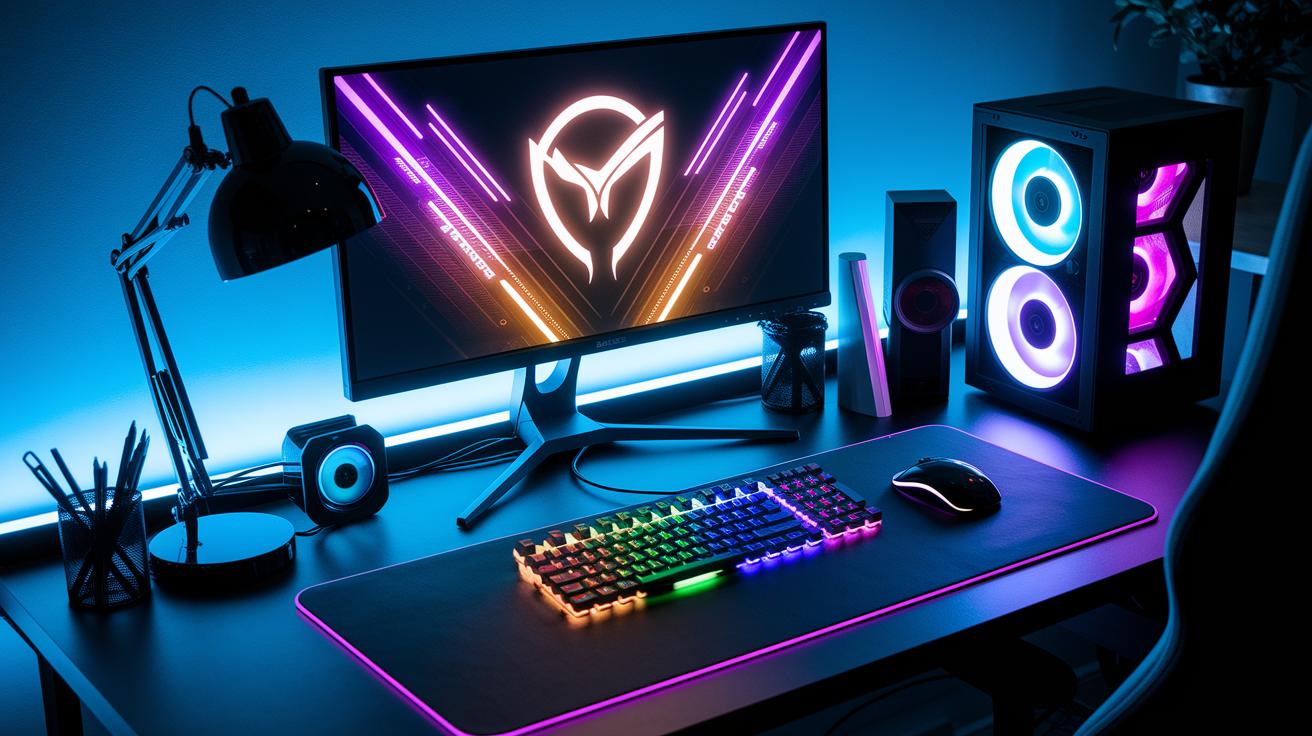
When every millisecond counts, your gear needs to keep up. NVIDIA Reflex can lower system delay by up to 30 ms on supported GPUs and drivers. Our tests show that high-end gear – think gaming mice with 400–1200 DPI, 240 Hz monitors, keyboards with mechanical switches hitting 1 ms actuation, and headsets with 7.1 surround sound – gives you a clear edge in responsiveness and control. For more details, check out our top-rated gaming peripherals.
| Gear Category | Key Spec | Example Model |
|---|---|---|
| Gaming Mouse | 400–1200 DPI | FPS Pro Model |
| Monitor | 240 Hz+ | UltraView 240 |
| Keyboard | Mechanical switches (1 ms actuation) | TypeMaster X |
| Headset | 7.1 surround sound | SoundStrike 7.1 |
| In-game Settings | 1:1 sensitivity, color calibration | GameOptix Pro |
Calibrated displays make a big difference, too. High refresh rates paired with in-game settings like low display latency and perfect 1:1 sensitivity mapping keep your visuals sharp. Plus, real-time HUD analytics let you adjust on the fly, so every frame stays optimized for that critical competitive play.
Competitive Shooting Games in eSports Tournaments
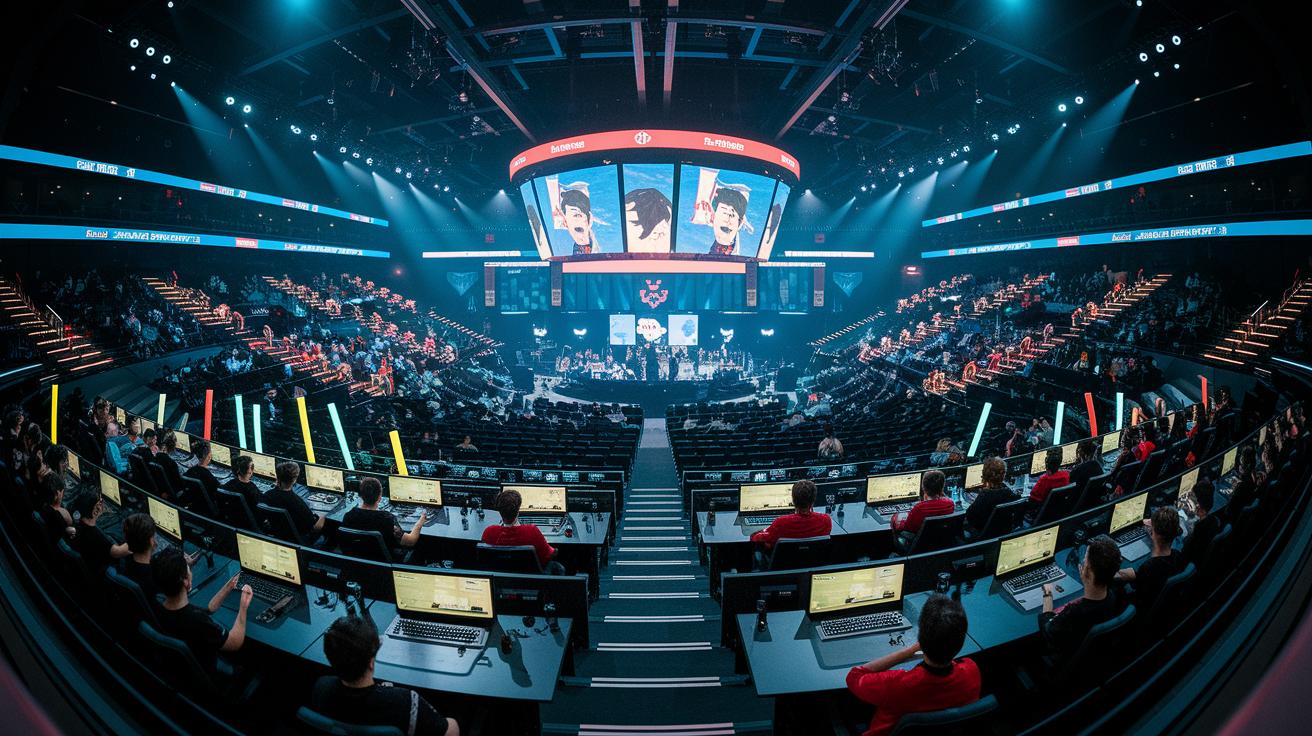
Competitive shooter tournaments have come a long way. Small LAN meetups have transformed into massive stadium events, with over 20,000 live fans at CS2 Majors. Today, professional circuits host structured online shooter tournaments and full-fledged leagues that deliver high-stakes action for millions of players and fans.
Big names like CS2 Majors, VALORANT Champions Tour, Overwatch League, Rainbow Six Siege Pro League, and Apex Legends Global Series lead the charge. These leagues offer solid tournament setups and prize pools often topping $1M per event.
Seasonal circuits keep the energy high. Each season, tournaments draw 50K to 100K online viewers at any given moment, fueling community engagement and competitive fire.
Stream quality, live analytics, and expert broadcast teams make every key moment count. Detailed match stats and real-time commentary keep fans glued to the action. This mix of grand live events and digital interactivity sets a new standard for experiencing competitive shooter games around the world.
Patch Updates and Meta Shifts in Competitive Shooting Games
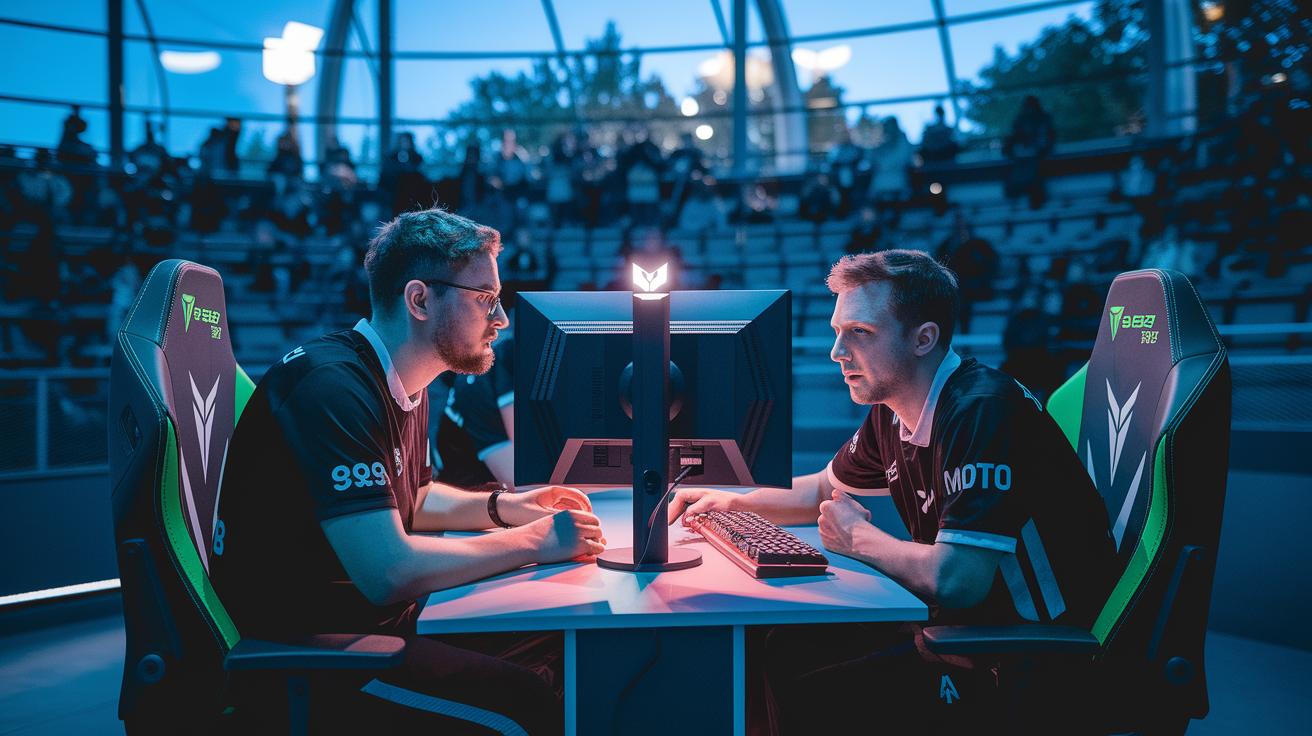
Bottom line: Regular patches and bold meta shifts keep competitive shooting games fresh and fair. Games like Valorant and Rainbow Six Siege X get new updates every 8 to 12 weeks.
Developers use these patches to tweak weapon recoil, agent gadgets, and map layouts. This fine-tuning keeps gameplay balanced and challenges gamers to adapt while keeping esports fans engaged.
Recent changes have forced teams to rethink their strategies. In Valorant Season 7, agents such as Jett were significantly nerfed, pushing players to revise entry tactics and team setups. In Rainbow Six Siege X, Operation Cascade brought major gadget reworks that reshaped breach and defend plays.
These aren’t tiny tweaks; they drive new tactics and fuel creativity. Every tournament feels current and unpredictable. Players must quickly adapt their strategies, and esports leagues stay in the spotlight thanks to these ever-evolving metas.
Skill Progression and Training for Competitive Shooting Games
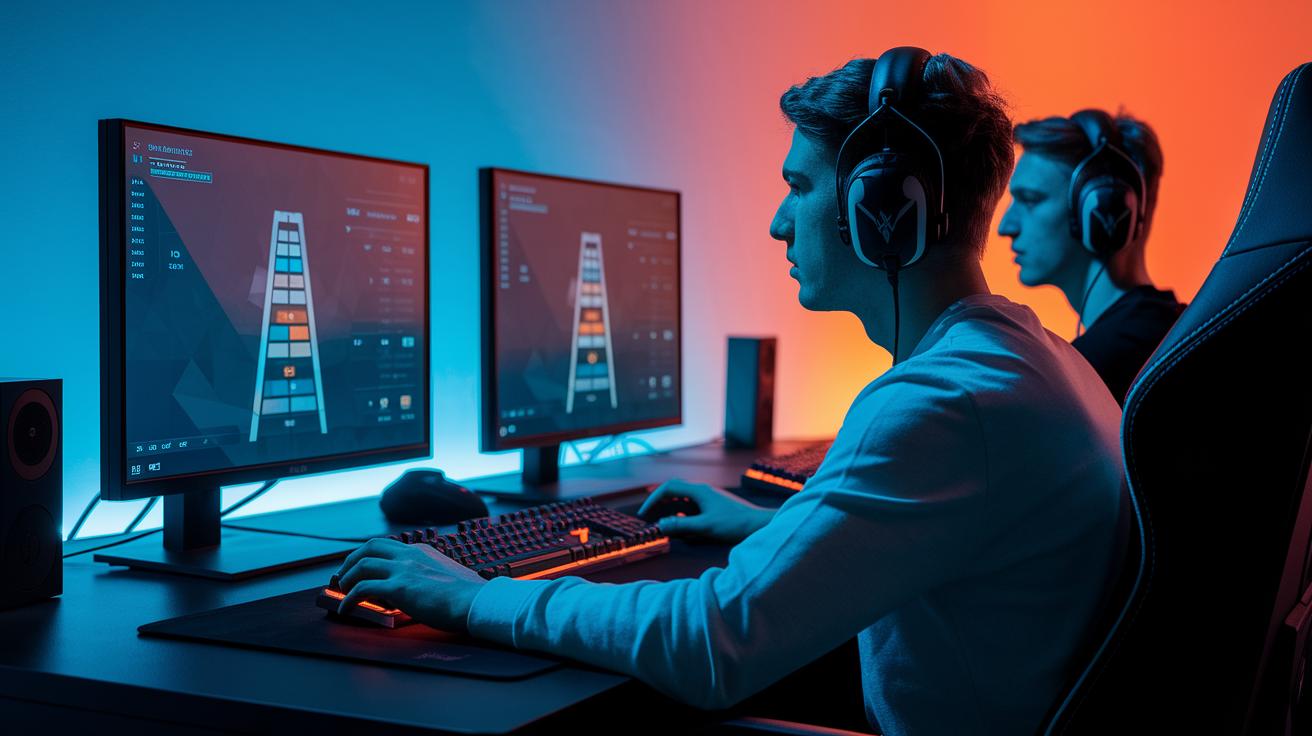
Rank systems are the backbone of getting better in competitive shooters. You climb the ladder with promotion matches and ELO-based matchmaking (a rating system that reflects your performance). Regular warm-ups on aim trainers and sessions on custom deathmatch servers let you see your progress as you train. Working on map-specific grenade drills and varied in-game scenarios builds your technical skills. Each match becomes a step toward mastery, and you always know where you stand.
Aim training is a must. Running drills on platforms like Kovaak’s FPS Aim Trainer helps sharpen your precision and muscle memory, giving you that extra edge when every shot counts.
Speed and reaction drills keep you ahead in fast-paced battles. Practice sessions that mimic high-pressure scenarios improve your reaction time. By focusing on quick, timed exercises, you develop faster button responses and smoother mouse movements (sensitivity transitions). These drills boost shot accuracy and build confidence when the game heats up. Measuring your reaction times during these sessions means you can fine-tune your reflexes even further.
Don’t forget your mental game. Simple visualization exercises for clutch rounds, along with a few calming breathing techniques before high-stakes matches, can help you stay cool when the pressure mounts. This mental training builds resilience and keeps you focused when it matters most.
Final Words
In the action, we broke down the top competitive shooting games, ranking them using solid metrics and clear criteria. We compared PC and console setups, shared tactical tips, and highlighted performance tech that cuts input lag down to the wire.
We also tackled eSports tournaments, patch updates, and essential training drills that help sharpen your edge. These insights give you the game-ready info to help boost your play. Enjoy stepping into your next match with a big boost to your competitive shooting games experience!
FAQ
- What factors determine the ranking of competitive shooting games?
- The ranking factors include a focus on player-versus-player action, an active esports community, and cross-platform support that ensure fair matchmaking and reliable performance.
<dt>How do eSports ranking systems influence competitive FPS play?</dt>
<dd>eSports ranking systems use measurable criteria such as player ratings and match statistics to pair gamers of similar skill, creating balanced and engaging competitive encounters.</dd>

<dt>Does NVIDIA Reflex really lower input lag in competitive FPS games?</dt>
<dd>NVIDIA Reflex reduces system latency by up to 30 ms, providing quicker reaction times and enhanced responsiveness during fast-paced, competitive matches.</dd>

<dt>How do cross-platform features improve competitive shooting experiences?</dt>
<dd>Cross-platform support unifies matchmaking pools across PC, console, and handheld devices, ensuring smooth play and consistent competitive engagement regardless of hardware.</dd>

<dt>What are some effective strategies in competitive shooting games?</dt>
<dd>Effective strategies include controlling key map areas, using utility tools like smokes and flashes, and coordinating team roles to boost overall gameplay success.</dd>

<dt>Which tech gear is best for boosting performance in competitive FPS?</dt>
<dd>High-refresh-rate monitors (240 Hz+), precision gaming mice (400–1200 DPI), mechanical keyboards with quick actuation, and 7.1 surround sound headsets help enhance game performance.</dd>

<dt>What impact do patch updates and meta shifts have on competitive shooting games?</dt>
<dd>Regular patches adjust weapon stats and player abilities, prompting shifts in game strategy and ensuring that gameplay remains dynamic and balanced.</dd>

<dt>How do pro players train and progress in competitive FPS?</dt>
<dd>Pros regularly use aim trainers, practice in custom deathmatch servers, and incorporate mental drills like visualization and controlled breathing to boost reaction times and in-game decision-making.</dd>