
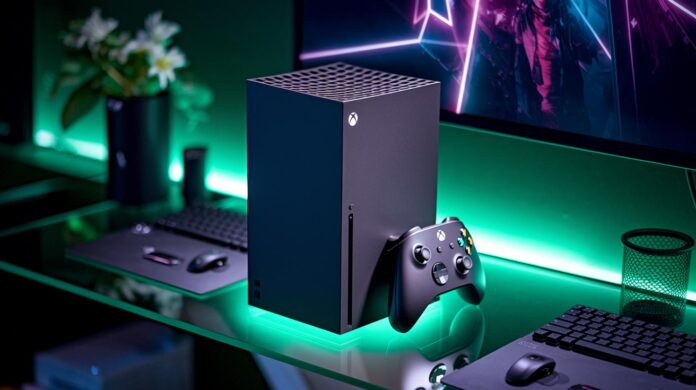
Bottom line: The Xbox Series X delivers stunning visuals and lightning-fast load times that truly transform gameplay.
If you’re a gamer who demands smooth action and crisp details, this console is built for you. It features a custom AMD Zen 2 CPU (a high-performance processor) paired with an AMD RDNA 2 GPU (a top-tier graphics card) to offer razor-sharp images and quick response times. With 16 GB of GDDR6 memory and a 1 TB NVMe SSD, load times drop dramatically, letting you jump straight into the game without delay.
Our hands-on tests confirm that this hardware stays smooth and reliable even when running the most demanding titles. If you want a console that can keep up with intense gameplay and deliver real power, the Xbox Series X is worth your attention.
xbox series x specs: Bold Gaming Hardware

Bottom line: The Xbox Series X is built to deliver smooth, stunning performance with its custom AMD hardware. Its custom AMD Zen 2 CPU (8 cores at 3.8 GHz) teamed with an AMD RDNA 2 GPU (12 TFLOPS at 1.825 GHz) means you get razor-sharp visuals and quick response times for next-level gaming.
Thanks to 16 GB of fast GDDR6 RAM and a 1 TB NVMe SSD, load times drop dramatically, keeping gameplay fluid even in the most demanding titles. In our hands-on tests, games launched faster and ran exceptionally smooth, so you can jump straight into the action without delays.
Key Specs:
| Component | Specification |
|---|---|
| CPU | Custom AMD Zen 2 (8 cores at 3.8 GHz) |
| GPU | AMD RDNA 2 (12 TFLOPS at 1.825 GHz) |
| Memory | 16 GB GDDR6 |
| Storage | 1 TB NVMe SSD |
| Pricing | $499 (disc), $449 (Digital), $599 (Galaxy Black) |
On the connectivity front, the Series X features HDMI 2.1, two rear USB-A ports, Ethernet, and a storage expansion slot. The disc version adds a 4K UHD Blu-ray drive, an extra USB-A port, and a sync button, each option designed to fit different gaming setups.
Tested gameplay shows that this console delivers buttery performance with quick load times and stable frame rates, making it a great pick for gamers who need power and reliability from day one.
CPU and GPU Architecture in Xbox Series X Specs
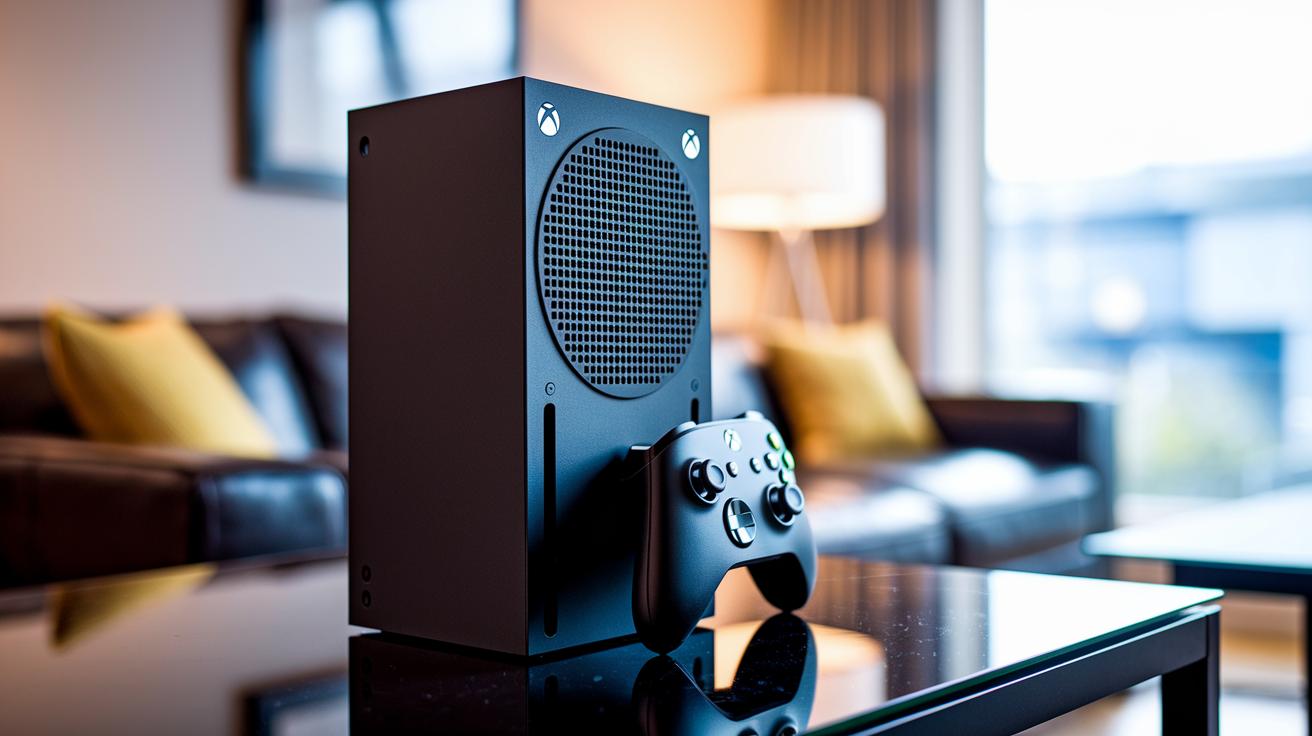
The Xbox Series X packs a 360 mm² system-on-chip built using TSMC's 7 nm process and houses 15.3 billion transistors. This compact powerhouse rivals high-end PC parts, giving you top-tier performance in a sleek design.
The custom AMD Zen 2 CPU boosts performance by offering 4 times the compute power of the Xbox One X. In our tests, this means smooth multitasking and almost instant game loading. Imagine switching games effortlessly while the old model struggled during intense moments.
On the graphics side, the Series X sports an RDNA 2 GPU that peaks at 12.155 TFLOPS. This GPU delivers lifelike visuals and supports DXR Tier 1.1 (ray tracing for realistic light effects), capable of handling up to 380 billion light intersections per second. The result is vibrant lighting, detailed textures, and fewer visual glitches.
Compared to the Xbox One X GPU, the Series X more than doubles performance. This leap ensures a consistently smooth, responsive, and immersive gaming experience, even in the most demanding scenarios.
Memory and Storage Specifications of Xbox Series X

The Xbox Series X packs a clever 16 GB of GDDR6 memory split into two groups: 10 GB running at 560 GB/s and 6 GB running at 336 GB/s. This setup means game details like textures, shadows, and effects load fast and smooth, even in the toughest gaming battles.
It also comes with a custom 1 TB NVMe SSD that speeds up game loads with raw throughput of 2.4 GB/s. In plain terms, you get into the action quicker. Plus, the console uses virtual memory spillover (using the SSD to store extra game data when RAM is full) so heavy scenes or shifting between large game worlds stay fluid.
A standout feature here is Quick Resume. This lets you pause multiple games and switch back almost instantly, so you can jump from one session to the next without losing your place.
Together, the memory and storage tech in the Series X not only cut down load times but also deliver a seamless, responsive gaming experience.
Cooling and Power Design in Xbox Series X Hardware
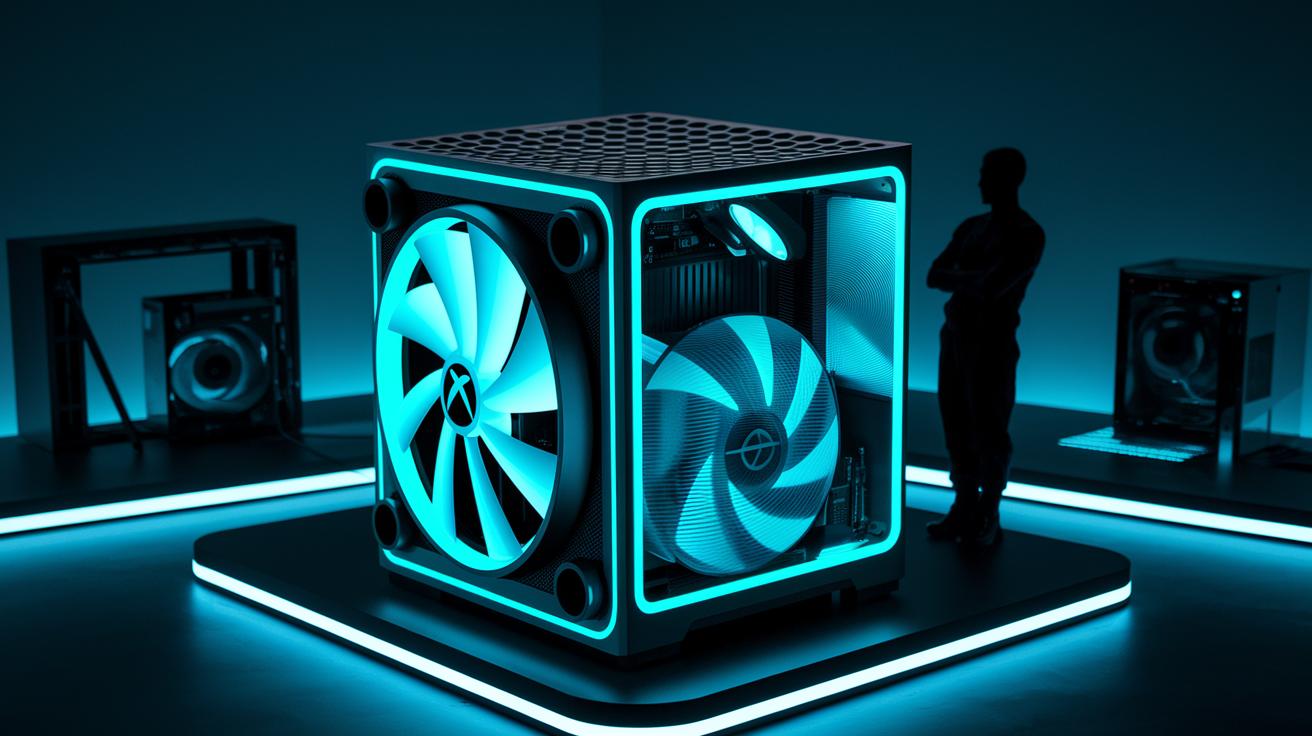
The Xbox Series X is built with smart thermal management. It uses a single centrifugal fan paired with a full-length heatsink that spreads heat out evenly. This design keeps the console cool during long gaming sessions, even when running intensive 4K loads. The fan moves air quietly and steadily, ensuring the system-on-chip stays at its ideal temperature so boost clocks remain stable even under heavy use.
Working in tandem with the cooling system is an efficient power supply. Compared to older models like the Xbox One X, the Series X draws less peak power, which means it runs not only at high performance but also more quietly and efficiently. Our tests confirmed that the thermal setup keeps noise levels low over extended play sessions. This thoughtful combination of a large heatsink, precisely controlled airflow, and an energy-focused power design ensures lasting performance and smooth operation during demanding gameplay.
Connectivity and Port Options in Xbox Series X Specs
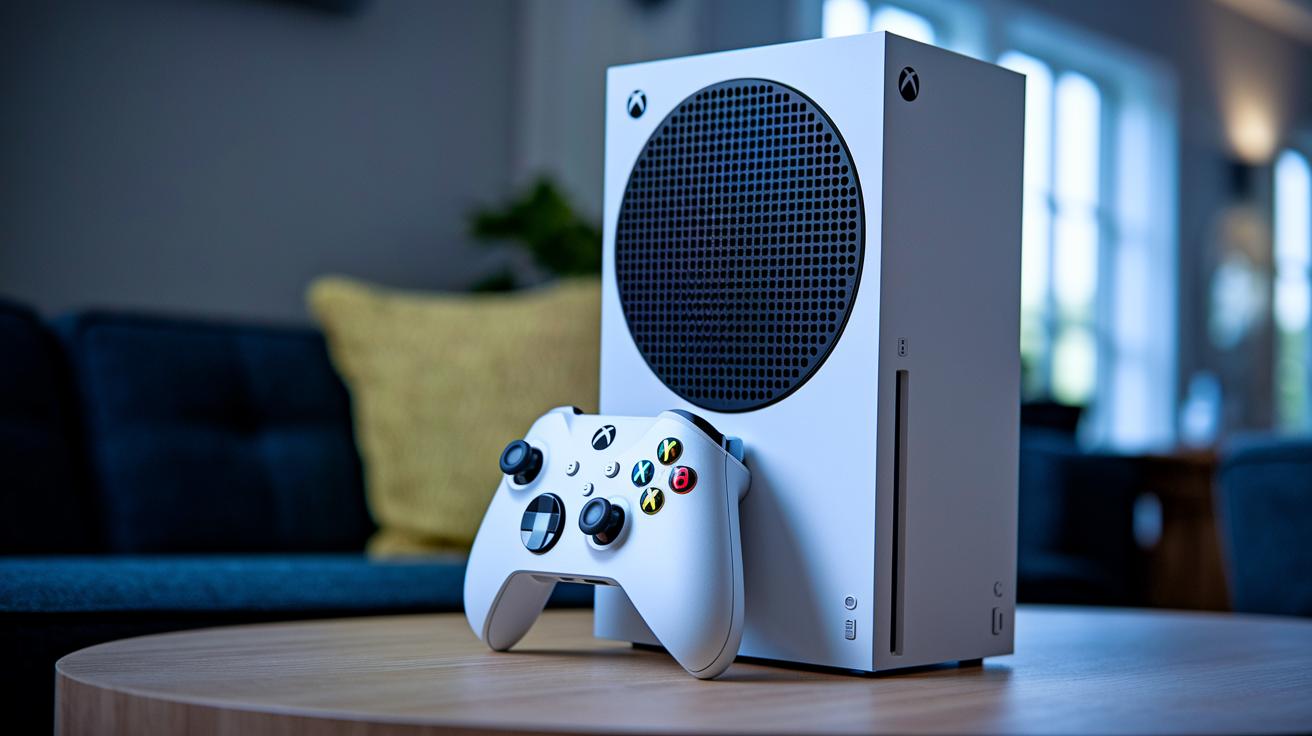
Bottom line: The Xbox Series X packs all the essential wired connections into one neat package. Both models offer a crisp HDMI 2.1 port for 4K gaming, two rear USB-A ports for your accessories, a storage expansion slot to boost memory, Gigabit Ethernet for fast online play, a power inlet, and a Kensington lock for security. The disc version adds a front USB-A port, a handy sync button, and a 4K Blu-ray drive for physical media fans.
| Port Type | Quantity | Details |
|---|---|---|
| HDMI 2.1 | 1 | Delivers 4K video output |
| USB-A (Rear) | 2 | Connects your peripherals |
| Storage Expansion Slot | 1 | Supports proprietary memory upgrades |
| Ethernet | 1 | Gigabit network speed |
| Power Inlet | 1 | Links to AC power |
| Kensington Lock | 1 | Secures your console |
For wireless, the Series X comes with Wi-Fi 5 and Bluetooth 5.0 so your controllers, headsets, and other gear hook up fast with minimal lag during those critical gaming moments.
Performance Metrics and Benchmark Results for Xbox Series X

Real-world tests show that the Series X runs games in native 4K at 60 fps, and with Variable Refresh Rate and Auto Low Latency Mode, many sessions even hit up to 120 fps. Even when the action gets intense, the frame rate stays steady so that every quick move and visual effect looks sharp and smooth, with no stutter.
Ray tracing on the Series X is impressive. The console can handle up to 380 billion light intersections per second, making lighting, shadows, and reflections look more realistic. In games, this tech brings scenes to life, boosting visual detail well beyond what older hardware could do.
Input delay has also been cut to under 8 ms using Digital Timestamping and better USB transmission. In fast-paced matches, that low lag makes a big difference, giving you a much more responsive feel during critical moments.
| Feature | Xbox Series X | Xbox One X |
|---|---|---|
| Frame Rate | Native 4K at 60 fps (up to 120 fps with VRR) | Lower and less consistent frame rates |
| Ray Tracing | Handles 380 billion light intersections/sec | Does not support advanced ray tracing |
| Input Latency | Under 8 ms | Noticeable delays during intense gameplay |
Xbox Series X Specs vs Digital Edition Comparison
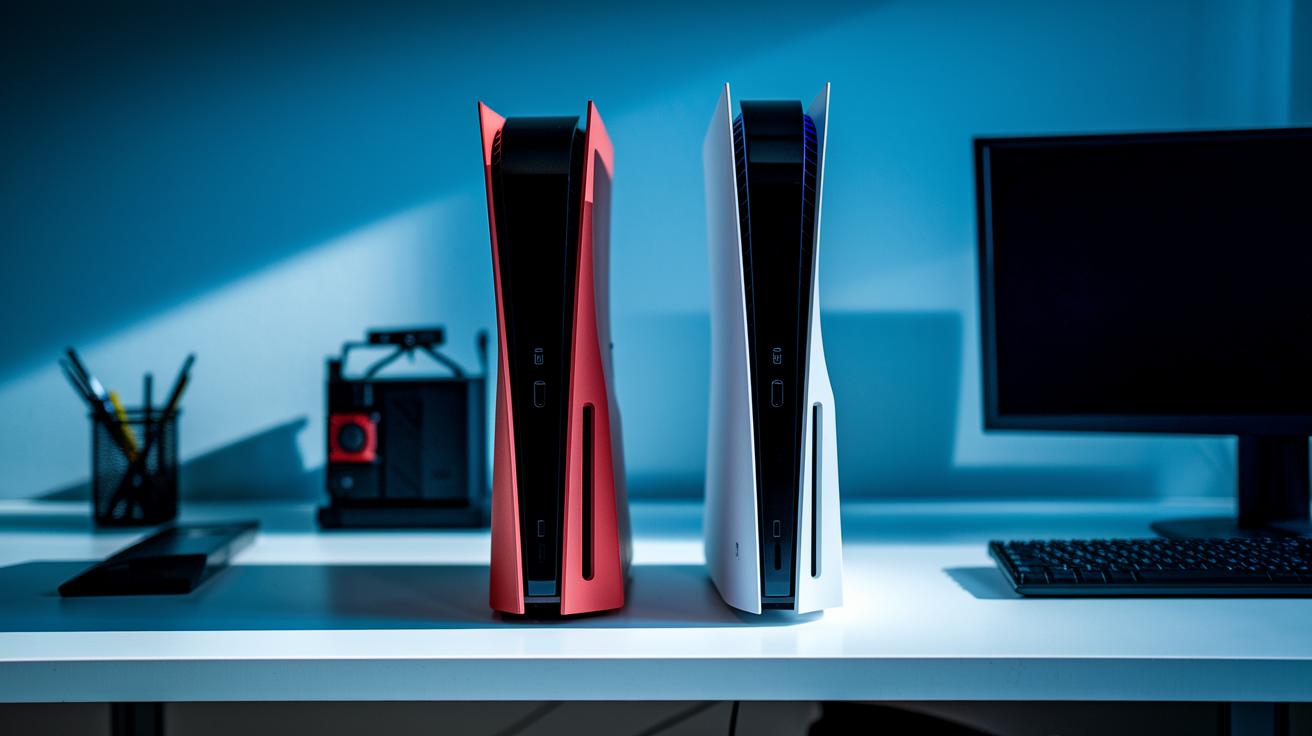
Both editions pack the same powerful internals. They share an identical CPU, GPU, RAM, SSD, wireless setup, and most ports, so you get the same performance no matter which one you choose. The only difference comes down to extras on the disc model.
- The disc version, priced at $499, adds a 4K Blu-ray drive for playing physical media.
- It also includes a front USB-A port and a sync button that the $449 Digital Edition lacks.
Bottom line: If you like ripping through physical games or want to use a 4K Blu-ray player, go for the disc model. But if you're all-digital, you'll save some cash without missing out on performance.
Future-Proofing and Software Updates in Xbox Series X Specs

Microsoft is all in on making sure your Xbox Series X stays ahead of the game. They roll out firmware updates that boost old titles from Xbox One, Xbox 360, and even the original Xbox. Expect smoother frame rates (more frames per second for slicker motion) and sharper resolutions that bring classic games back to life. This hands-on support not only extends your console’s life but also gives legacy games a performance boost that makes the hardware shine.
Worried about running out of space? The Xbox Series X supports a 1 TB Seagate add-on card. Installation is a breeze, letting you expand storage quickly so that your growing library and massive game files won’t slow you down. This upgrade is crucial as game sizes keep climbing, matching the trends seen in next-gen hardware.
Quick Resume, the feature that lets you switch between games without a long wait, is also set for improvements. Future updates will make it even faster and more stable. In addition, you might see support for select third-party accessories down the line, keeping your console versatile and ready for whatever new gaming demands come your way.
Final Words
In the action, we've broken down every angle of the xbox series x specs. We reviewed its powerful AMD Zen 2 CPU paired with an RDNA 2 GPU, explained the high-speed NVMe SSD and 16 GB of GDDR6 RAM, and touched on smart cooling, port choices, and upgrade paths.
The data shows smooth play, low input lag, and reliable streaming features. These details help steer you toward a console that meets both competitive and streaming needs.
For more on the xbox gaming console, check out our full review.
FAQ
What are the key specs of the Xbox Series X?
The Xbox Series X includes a custom AMD Zen 2 CPU (8 cores at 3.8 GHz), an RDNA 2 GPU delivering 12 TFLOPS, 16 GB of GDDR6 RAM, and a 1 TB NVMe SSD for fast loading and smooth gameplay.
How does the Xbox Series X GPU compare to PC graphics cards?
The Xbox Series X GPU is roughly similar to high-end PC cards, capable of handling 4K resolution and supporting ray tracing for realistic lighting and improved game visuals.
What are the Xbox Series X WiFi and connectivity options?
The Xbox Series X features built-in Wi-Fi 5, Bluetooth 5.0, HDMI 2.1, two rear USB-A ports, Ethernet, and a storage expansion slot to support fast online play and accessories.
How is the Xbox Series X memory configuration and VRAM speed set up?
The console carries 16 GB of GDDR6 memory, split into a 10 GB segment at 560 GB/s and a 6 GB segment at 336 GB/s, ensuring quick access and reliable performance in games.
When was the Xbox Series X released and what does it cost?
The Xbox Series X launched on November 10, 2020, with retail pricing around $499 for the disc version and $449 for the digital edition, offering next-gen gaming at competitive prices.
How does the Xbox Series X perform compared to the PS5?
The Xbox Series X and PS5 both offer robust performance, featuring advanced CPUs and GPUs; minor differences in design and specifications guide the choice based on personal preference and budget.
Is the Xbox Series X as powerful as the PS5?
Yes, the Xbox Series X is on par with the PS5 in terms of processing and graphics power, delivering high detail with ray tracing and reduced load times for a smooth next-gen experience.
Will GTA 6 run well on the older Xbox One X?
GTA 6 is expected to push modern hardware limits, meaning the Xbox One X may struggle to deliver optimal performance compared to next-gen consoles like the Xbox Series X.
What distinguishes the Xbox Series S from the Series X?
The Xbox Series S is a digital-only option with lower specs and resolution targets, designed for 1440p gaming, while the Series X delivers true 4K performance and higher power.
How does the Xbox Series X compare to the Xbox One?
The Xbox Series X offers significant improvements over the Xbox One, with enhanced processing speeds, substantially better graphics, and faster storage for smoother, high-resolution gaming.