
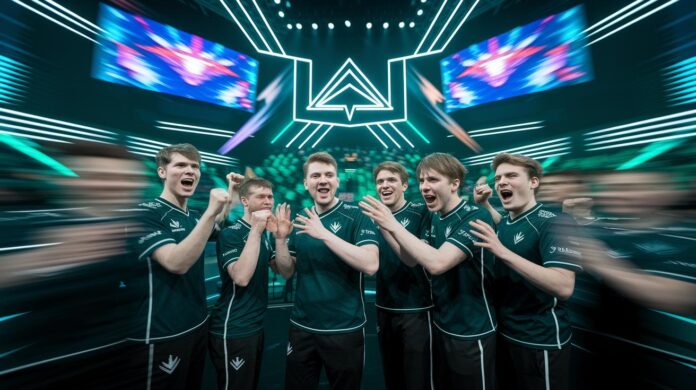
Esports is all about fast action and big crowds.
Bottom line: Whether you're a seasoned pro or just starting out, esports rewards quick reflexes and smart tactics.
Competitive games make you adapt on the fly. Think about titles like Call of Duty: Warzone 2.0 and Fortnite, where players must constantly rethink their strategies. In one epic session, 12.3 million players logged in, showing just how massive and exciting these events can be.
Looking ahead to 2025, expect the battleground to get even more dynamic. Every move counts, and the thrill comes from the blend of speed and strategy that brings everyone together for a truly unforgettable experience.
Esports Competitive Games: Thrilling Strategies and Trends

Looking ahead to 2025, esports is evolving like never before. Top games such as Call of Duty: Warzone 2.0, Fortnite, Dragon Ball FighterZ, Apex Legends, Dota 2, Overwatch 2, PUBG, Rocket League, Samurai Shodown, Street Fighter 6, and Super Smash Bros. Ultimate are setting the stage with fresh challenges and epic displays. For example, Fortnite just hit 12.3 million concurrent players, proving it can pull in massive crowds for record-breaking moments.
Call of Duty: Warzone 2.0 is keeping things exciting with a new map called Building 21 and a DMZ mode that flips the usual battle royale script. Dota 2 sticks to its mantra of "easy to learn, hard to master," and its prize pools at The International are a constant draw. These standout titles represent only a slice of a vibrant ecosystem spanning eight different genres, from nimble duel mechanics in fighting games to detailed strategies in RTS and pulse-pounding survival modes in battle royales.
Every title pushes players to think fast and adjust on the fly. Whether you’re into the precise action of FPS games, the teamwork of MOBAs, or the high-stakes rush of battle royales, there’s something here to challenge your skills and spark new tactics. The sheer variety in gameplay is shaping future trends and redefining competitive gaming.
Esports Competitive Games by Genre and Popularity Rankings

Fighting games have been a core part of esports for over 30 years. Think about titles like Street Fighter 6 – they welcome both seasoned players and beginners with sharp combo moves and simple controls. You truly feel every punch and parry, which is why fighting game tournaments still pack arenas.
RTS games like StarCraft II and Warcraft III set the stage back in the late 1990s. Their mix of quick strategic decisions and resource juggling still shapes the esports scene today. These games require you to plan on the fly and manage resources smartly, keeping the competition fierce.
MOBAs now lead the pack when it comes to viewership and prize money. League of Legends draws huge crowds, while games like Dota 2 and Smite continue to pull in massive audiences. These titles demand tight team play and rapid decision-making, ensuring every tournament is edge-of-your-seat intense.
First-person shooter leagues got their start with Quake in 1997 and have since evolved into the tactical battles you see in Counter-Strike. Here, precision and teamwork are key. Every match is a test of split-second reactions, allowing pros to shine with their accuracy and quick plays.
Battle royale games mix shooter skills with survival tactics. PUBG and Fortnite lead this charge, hosting global tournaments that attract millions. Their blend of fast action and survival strategy creates epic moments that gamers love.
Mobile esports are on the rise as well. Games like Mobile Legends: Bang Bang and Honor of Kings are smashing records for attendance and prize pools in Asia. Their quick matches and easy entry have brought a whole new crowd into competitive gaming.
Tournament Structures in Esports Competitive Games
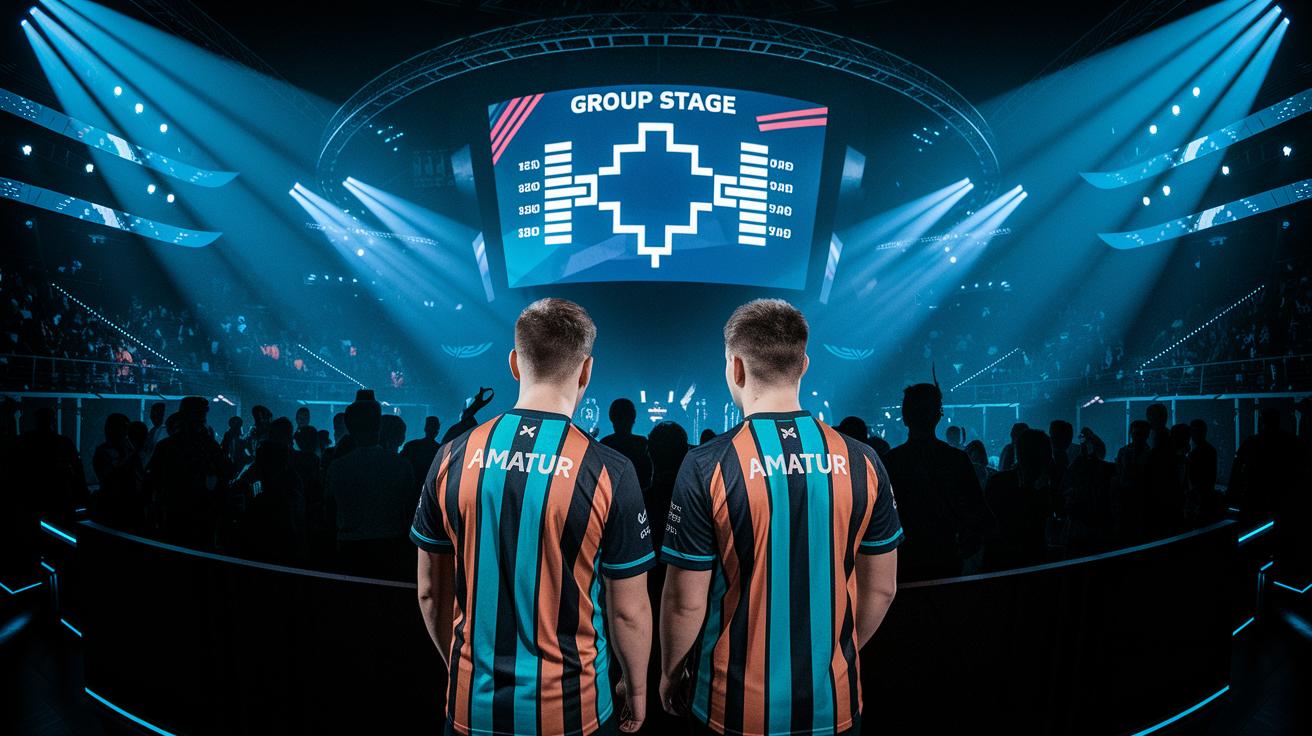
Major esports tournaments mix up formats to push teams and players to perform their best. For example, the League of Legends World Championship kicks off with a group stage that weeds out the underdogs before switching to a knockout round that leads to the finals. This setup cranks up the thrill since every match really counts.
Dota 2's The International brings an intricate design to the table. Teams start with Swiss rounds, then jump into double-elimination phases that use best-of-2 and best-of-3 series. In the final stretch, a best-of-5 grand final puts even more pressure on every play and gives teams a chance to adapt mid-game.
Call of Duty events often use best-of-7 elimination formats. They begin with regional online qualifiers before converging into large global tournaments. In Warzone 2.0, you also get modes like squad elimination mixed with DMZ objectives, offering a blend of tactical depth and fast, action-packed gameplay that keeps fans hooked.
Prize Pools and Audience Engagement in Esports Competitive Games

Bottom line: Bigger prize money means more fans and a more intense gaming experience.
Dota 2 International pushed its prize pool past $40M in 2023 by sharing Battle Pass revenue. This shows that when fresh funding flows in, events can leap to new heights.
Fortnite pulled in 12.3M players at one moment during an event. League of Legends Worlds hit over 5M live on Twitch. These numbers prove that competitive esports today blend high stakes with high viewership.
Apex Legends keeps things exciting by hosting contests at national and regional levels. Their finals are live-streamed and offer prize pools in the six figures. On the mobile side, Honor of Kings tournaments can offer multi-million-dollar prizes and are streamed on popular Asian platforms. Tying revenue sharing with real-time fan participation makes the competitions even more thrilling.
Key trends:
| Game | Highlight |
|---|---|
| Dota 2 | $40M+ Prize Pool |
| Fortnite | 12.3M Concurrent Players |
| LoL Worlds | 5M+ Twitch Viewers |
| Apex Legends / Honor of Kings | Robust Prize Pools, Live Finals |
These results confirm that when prize money and fan engagement work together, tournaments become even more captivating and high-stakes.
Strategies and Gameplay Techniques for Esports Competitive Games

Bottom line: Smart teamwork and quick adjustments in the heat of battle are what separate the pros from the rest. Pros break down every play with solid match analysis and clear team guides that focus on skill-based matchups and fast decisions.
Take Dota 2 for example. Its push-control mechanics (using coordinated group pushes) and deep item builds demand sharp situational awareness. In a recent test, a pro team rallied together for a lane sweep by timing their push perfectly, proving that the right item choices can change the entire map. Similarly, in Apex Legends, the magic happens with hero synergy. Teams use tight communication and smart map control to plan ambushes and secure key spots. One player even said it felt like directing a perfectly choreographed scene, every hero had its moment.
Street Fighter 6 is all about precision. Its combo systems and real-time drive gauge push players to master timing, where a rapid string of hits can swing the momentum of a fight. Overwatch 2 mixes shooter basics with specialized roles. Pro teams plan their ultimate abilities carefully so every big move counts during team fights. And in Rocket League, split-second aerial control and smart rotation patterns can make the difference between scoring a win or a loss.
Key tactics to master include:
- Analyzing in-match stats to adjust your strategy on the fly.
- Studying team guides that break down positional play.
- Running scrimmages to hone your skill-based responses.
Pros blend these strategies with data and training, turning practice into real-time success during high-stakes matches.
Mobile and Emerging Platforms in Esports Competitive Games

Mobile esports have become a major competitive arena, offering both quick matches and deeper strategy battles. For example, Mobile Legends: Bang Bang (released in 2016) now runs regional leagues in Southeast Asia with multi-tiered qualifiers that test players at every level. Meanwhile, Free Fire packs 10-minute matches that are perfect for quick play, and its intense rounds once drew up to 5 million live viewers on Garena channels.
Honor of Kings leads the pack in national leagues and world championships, where prize pools can hit seven figures. This shows just how strong mobile esports have become. Developers are also mixing platforms by hosting contests that span Fortnite, PUBG, and more on PC, console, and mobile. This approach brings together different gaming communities and offers more choices for players.
Key highlights include:
- Mobile battle series featuring a variety of challenge styles
- Mobile esports championships that blend seamlessly with multiplatform events
Future Trends and Industry Impact of Esports Competitive Games
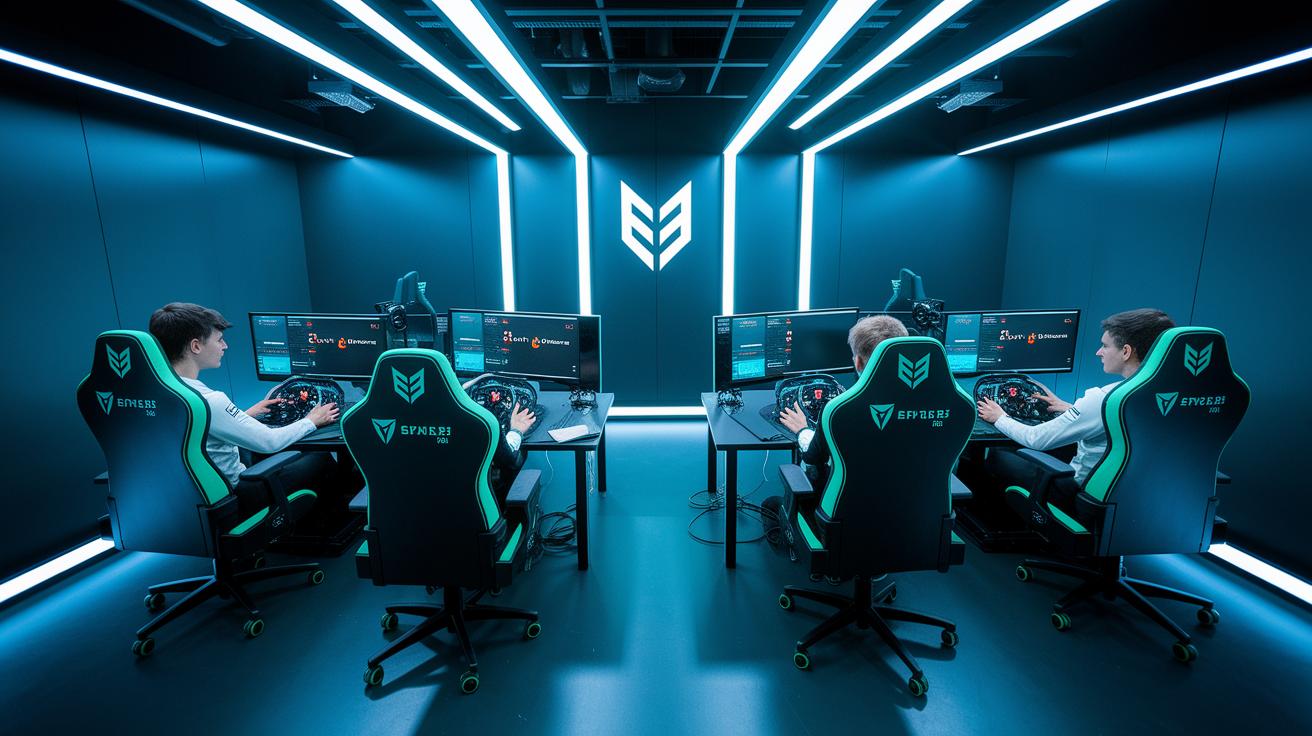
Bottom line: Esports is leveling up with simulation racing games and smart tech that make every match feel more immersive and data-driven. This shift is attracting loyal leagues and major manufacturer sponsors while opening new money streams.
Simulation racing games like F1 24 and Gran Turismo 7 are leading the charge. They bring in dedicated leagues and secure big sponsorships, which means more cash is fueling growth. Test teams have seen firsthand how adding real-time data visuals during races and shooter matchups ramps up the excitement for viewers.
Streaming platforms are trying out interactive features that let fans choose camera angles or check live performance stats. This blend of tech and audience input is changing how we enjoy high-level esports. At the same time, game regulators are updating rules to match new formats, keeping competitions fair and safe while also addressing betting concerns.
Market reports suggest that revenue from interactive services and augmented reality (AR) tech could shake up traditional broadcast methods. With more sponsors and tech partners jumping on board, these innovations are set to drive esports to even greater heights in the gaming world.
Final Words
In the action, we mapped out how top esports competitive games are reshaping global gaming. We covered breakthrough titles like Fortnite and Warzone 2.0, detailed various tournament setups, and broke down key strategies across genres. The guide highlighted impressive stats such as millions of concurrent players and record prize pools, proving the data matters when picking the right gear. These insights help you gear up for smoother gameplay and better streaming performance, ensuring you stay ahead in your competitive play. Play smart and rock those in-game moments.
FAQ
What are the top 10 esports games?
The top 10 esports games include League of Legends, Dota 2, Counter-Strike series, Fortnite, Apex Legends, Overwatch 2, PUBG, Rocket League, Street Fighter 6, and Super Smash Bros. Ultimate, all known for intense competitive action.
Which esports games are the most popular by viewership?
Esports games like League of Legends, Dota 2, and Fortnite lead in viewership by drawing millions of fans worldwide through huge tournaments and engaging live streams.
What are some top mobile esports games?
Top mobile esports titles feature PUBG Mobile, Call of Duty: Mobile, Mobile Legends, and Honor of Kings, all celebrated for massive player counts and high-stakes tournaments.
What are esport games?
Esport games are competitive video games played in organized tournaments or leagues, where players or teams face off in titles like Counter-Strike and League of Legends.
What is considered the #1 esports game?
While the #1 esports game can vary by metrics, League of Legends often takes the lead with its massive viewership, strong competitive scene, and vast player base.
What is the most competitive e-sport?
Dota 2 is one of the most competitive e-sports, featuring a steep learning curve, high team coordination requirements, and record-breaking prize pools.
How do titles like Counter-Strike 2, League of Legends, PUBG: Battlegrounds, Genshin Impact, and Call of Duty: Mobile stand out in esports?
These titles offer distinct competitive flavors: Counter-Strike 2 and Call of Duty: Mobile excel in tactical shooting, League of Legends thrives on team strategy, PUBG: Battlegrounds brings battle royale intensity, and Genshin Impact introduces RPG elements with competitive events.